
Why handling the business side is proof you’re serious — not paranoid.
I’ve seen it happen so many times. A talented independent artist drops a single they poured their soul into… they get a few views, streams but they’re not really moving forward into making it their career. Not because the music wasn’t good, but because they skipped the behind-the-scenes steps that protect their work and set it up to actually pay them back.
I’ve been in rooms where charting artists got burned because they didn’t handle their paperwork or metadata right. And on the flip side, I’ve worked with indie artists who protect their music like pros, and they’re the ones winning.
If you care about your music, protect it like it’s already a hit.
Because the moment it leaves your laptop, it’s public. And that means it’s vulnerable — to theft, lost royalties, and missed opportunities.
Here’s a clear, simple breakdown of what to do before you release your next track.
Step 1: Register Your Copyright (Yes, Even Before It Blows Up)
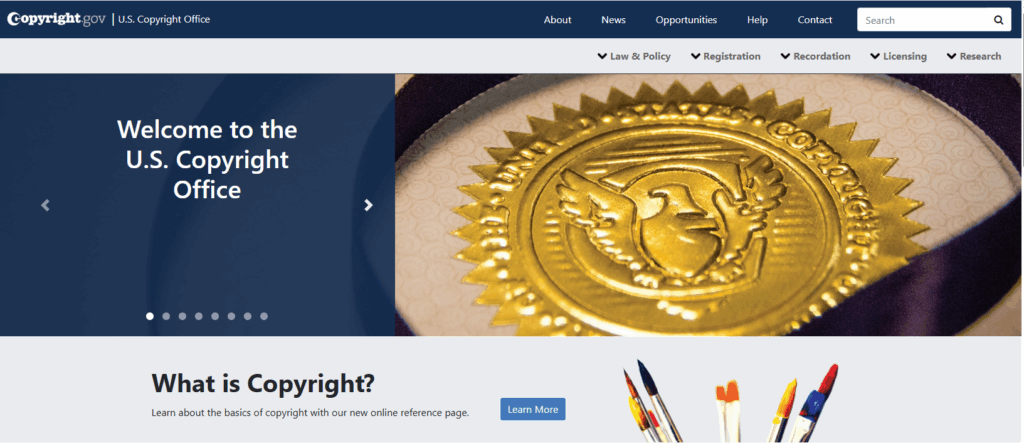
Why it matters: Copyright is the legal proof that you created the song. Without it, anyone can rip your track, upload it, and claim ownership. And if you ever want to take legal action, you’ll need that registration to back you up.
What to do:
- If you’re in the U.S., go to copyright.gov
- Register your composition (lyrics + melody) and sound recording (your final mix)
- It costs around $45–65, but if you’re releasing a batch of songs, you can register up to 10 works for $85.
🎯 Pro Tip: This step is included in my HitLock Checklist — a free download that walks you through every step to protect your music and claim your royalties before release. Keep it saved and use it with every project.
Step 2: Register with a Performing Rights Organization (PRO)
Why it matters: This is how you get paid when your music is performed — on radio, at live shows, or even in stores and restaurants.
Pick one:
- In the U.S., you’ll choose ASCAP, BMI, or SESAC (invite only).
- Register as a writer, and if you don’t have a publisher, create your own publishing entity too — that way you collect 100% of your performance royalties.
DISCLAIMER; These royalties won’t flood in overnight. But by registering, you open the door to long-term revenue, especially if you’re building a live set or growing traction on streaming.
Step 3: Collect Your Mechanical Royalties (Don’t Miss Out on Streams)
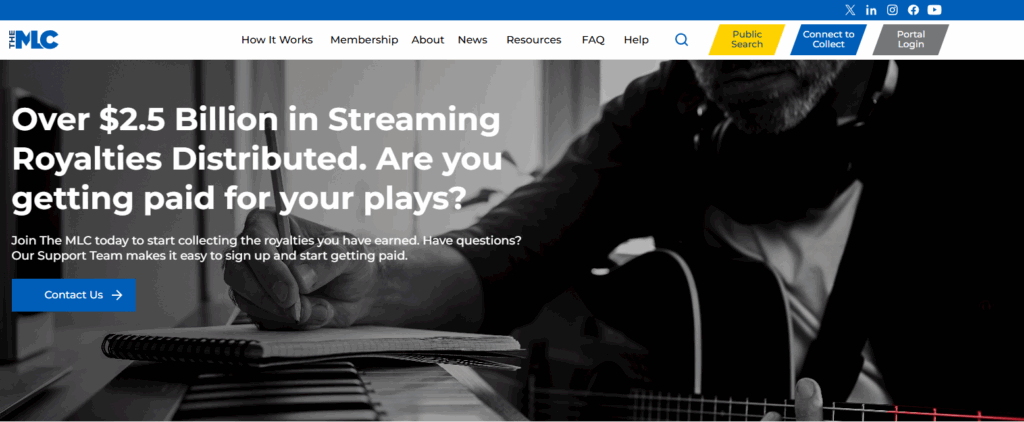
Why it matters: Every stream and download of your song earns you mechanical royalties. But if you’re not registered with the right platforms, that money goes unclaimed.
Here’s how to fix that:
- Sign up for The MLC (Mechanical Licensing Collective) — it’s free and required for U.S. streaming royalties.
- Or consider a publishing admin service like Songtrust to collect international mechanicals. They work worldwide and require a $100 one-time fee.
Quick math: If your song gets 100K streams, you’ve earned money. But if you don’t register properly, someone else collects it — or it disappears.
Step 4: Register with SoundExchange
Why it matters: Even if you’ve registered with a PRO and The MLC, you still need SoundExchange to collect one of the most overlooked income sources: digital performance royalties.
This includes plays on platforms like Pandora, SiriusXM, and internet radio stations — not Spotify or Apple Music.
What to do:
- Go to soundexchange.com
- Register your songs as both Performing Artist and Rights Owner (if you own the master)
- Make sure your songs are properly associated with your SoundExchange profile
Bonus: If your song gets played on satellite or digital radio, SoundExchange ensures you get paid — something even many experienced artists forget.
Step 5: Add the Right Metadata to Your Files
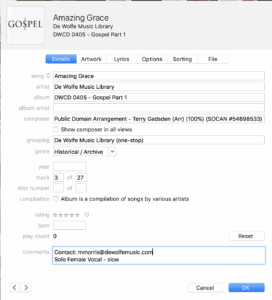
Why it matters: Metadata is the information embedded in your audio files that tells streaming platforms, music libraries, and royalty systems who you are and how to pay you.
This might sound technical, but it’s not, and it’s one of the biggest gaps I see with emerging artists.
What to include:
- Song title
- Artist name
- Producer name
- Writers (including featured artists)
- ISRC code
- Publisher
- Contact info
- Genre and BPM (if distributing to libraries or sync)
When your metadata is clean and consistent across all platforms, you not only look professional — you get paid like one.
Step 6: Choose a Distributor That Pays You Fairly
Why it matters: Your digital distributor is the gatekeeper between you and the platforms. If they underdeliver or take a cut of your revenue, it’s you who loses.
What to look for:
- Transparent royalty splits
- Ability to insert your ISRC and UPC
- Support for YouTube Content ID, Publishing, or TikTok distribution
- Clean user dashboard for reporting
- Fast and flexible release scheduling
Popular options:
- DistroKid – Great for fast uploads and unlimited releases
- TuneCore – Higher upfront fee but 100% revenue retention
- UnitedMasters – Offers artist services like sync opportunities
- Amuse – Free plan available with limited features
Each has pros and cons depending on your goals, but the key is control. Your distributor shouldn’t just post your music, they should support your growth.
Protecting Your Music = Respecting Your Career
Don’t wait until your song pops off to take care of the business.
Move like it already has.
If you’re just “dropping tracks” without protecting your rights, you’re leaving your future up to luck.
But when you take the time to register your work, embed proper metadata, and make sure your royalties are tracked, you’re moving like a real independent artist.
That’s not being paranoid, that’s being prepared.
I’ve seen artists get stuck in limbo, either rushing to release without protecting their music or holding back because it’s ‘not perfect yet.’ If you’re on the fence, you’re not alone. I unpacked this mindset in this blog post about perfectionism and why it might be costing you momentum.
And if you’re not sure where to start or you’ve already skipped some of these steps in the past, just grab the HitLock Checklist — it’s the free tool I built for artists like you who want to secure the bag before the buzz.

Babi
Music Producer / Engineer
Ready To Drop Music Like A Professional Independent Artist?
Get My FREE Single Release Checklist 

How to Build Your Artist Business Credit
Most independent artists think about streams, shows, and followers…but almost no one talks about business credit. And here’s the truth:If you want to grow beyond bedroom releases and hobby-level income, you need more than talent. You need a business foundation that supports your career, the same way labels back their artists with funding, resources, and…

From Beatstore to Billboard: How to Turn Online Beats into a Professional Release
Let’s be honest — buying a beat online is easy. But turning that beat into a professional release that people take seriously? That’s a whole different game. If you’re an independent artist scrolling through YouTube or BeatStars looking for “Type Beats,” you’re not alone. But too many artists get stuck in the free beat trap,…

Why No One Is Listening to Your Music (And How to Fix It)
You’ve dropped the track. You made the cover art. You posted it on IG. And then… silence. Maybe a few friends reposted. A couple comments. But the streams? They’re not adding up. It’s not because you’re not talented. It’s because you’re not strategic — yet. If you’re an independent artist putting out music but struggling…

How Artists Choose Beat Licenses Without Falling for the Free Beat Trap
As an independent artist, there are endless decisions to make when it comes to building your sound, and one of the most important decisions you’ll face is choosing the right beats for your music. But with so many options out there, how can you tell which beats and licenses are right for you? It’s easy…

How to Protect Your Music (and Royalties) Before You Release It
Why handling the business side is proof you’re serious — not paranoid. I’ve seen it happen so many times. A talented independent artist drops a single they poured their soul into… they get a few views, streams but they’re not really moving forward into making it their career. Not because the music wasn’t good, but…

5 Steps to Building an Engaged Community Without Viral Fame
The Myth of Viral Success (And What Actually Works) Every independent artist wants a loyal fanbase—but somewhere along the way, we got sold the idea that the only way to build one is by going viral. You see it all the time: Artists chasing TikTok trends, posting non-stop, hoping one video blows up. But here’s…

How to Achieve Studio-Quality Sound Without Breaking the Bank
As an independent artist, you know how important it is for your music to sound professional, specially when you need to stand out from the crowded scene on social media. But let’s be real, I’m a sound engineer and I know studio time and top-notch gear can get costly, plus mixing and mastering, which is…

The Trap of “Perfecting” Your Music (And Never Releasing)
Why Do Independent Artists Struggle to Release Music? How many songs do you have sitting on your hard drive right now? Be honest. You’ve spent months—maybe even years—tweaking that one track. Something still doesn’t feel “perfect.” So you tweak it again… and again… until suddenly, you realize you haven’t released anything in forever. If you’re…

Leases vs Exclusives, which one to choose?
Share this post: Share on X (Twitter) Share on Facebook Share on Pinterest Share on LinkedIn Share on Email

How to Buy Tracks Online for the First Time
Share this post: Share on X (Twitter) Share on Facebook Share on Pinterest Share on LinkedIn Share on Email